

Jewelry Appraisals for Estate Planning

a jewelry appraiser in white gloves assessing the value of a pair of dangle earrings

Jewelry Appraisals for Estate Planning: Your Comprehensive Guide

Estate planning is akin to creating a blueprint for your legacy, ensuring the well-being of your loved ones and the fulfillment of your wishes. In this extensive guide, we’ll delve into estate planning and underscore the vital role that jewelry appraisals for estate purposes play.


For information on how to value jewelry you’ve inherited, please click here.

Do You Require an Estate Jewelry Appraisal?

Assessing the Need

Before delving into the world of jewelry appraisals, let’s pause to contemplate whether one is necessary. Various types of jewelry appraisals exist, each serving distinct purposes. It’s crucial to discern these differences:

  • Insurance Appraisal: This appraisal type guarantees sufficient insurance coverage for your jewelry, providing peace of mind in case of loss or damage.
  • Fair Market Appraisal: If you’re contemplating selling or donating jewelry, this appraisal unveils its current resale value.
  • Estate Appraisal: Estate appraisals are specialized assessments that consider your jewelry within the context of estate planning.
jewelry appraisals in Baltimore,MD

Preparing for a Jewelry Appraisal for Estate Purposes

Getting Ready

Now, let’s explore how to prepare for a jewelry appraisal tailored to estate purposes. Follow this step-by-step guide:

  • Organize Your Collection: Gather your jewelry items and organize your collection. This simple step streamlines the appraiser’s work.
  • Compile Your Documentation: Collect copies of any relevant receipts or certificates associated with your jewelry. These details are invaluable during the appraisal process.
  • Clarify Your Intentions: If you have particular items you intend to leave as inheritances, create a list. Defining which items you intend to leave as inheritances simplifies the appraisal process.
  • Maintain Your Jewelry: Have your jewelry cleaned. Clean jewelry is easier to appraise as dust and debris can affect the grading of diamonds.
a jewelry appraiser preparing to grade a diamond set in a ring for estate purposes

The Appraisal Process

Behind the Scenes

Let’s take you behind the scenes and unveil the intricacies of the jewelry appraisal process:


  • Item Inspection: Expert appraisers meticulously examine each jewelry piece, scrutinizing its condition, gemstones, metals, and craftsmanship.
  • Market Research: In-depth market research enables us to grasp current trends and historical data that influence your jewelry’s value.
  • Comprehensive Documentation: The level of documentation can vary based on the size of your jewelry collection and the appraiser’s approach. Smaller collections may warrant a summary, but significant pieces necessitate detailed appraisals. The appraisals include detailed descriptions, photographs, gemstone and metal specifications, and valuations.
a jewelry appraiser taking notes in a notepad in preparation for creating a jewelry appraisal for estate purposes

The Significance of an Experienced Jewelry Appraiser in Estate Planning

Precision Is Paramount

In the realm of estate planning, precision is non-negotiable. Here’s why the expertise of an experienced jewelry appraiser is indispensable:

  • Specialization: Estate jewelry constitutes a unique field, and experienced appraisers, particularly those with credentials like GIA Graduate Gemologists, possess the specialized knowledge necessary for precise assessments.
  • Mastery of Gemstones and Metals: Appraisers’ expertise is instrumental in accurately identifying gemstones and metals while ensuring compliance with the latest industry standards.

Your Local Estate Appraisals in Towson, MD

Local Expertise

If you’re in Towson, MD, and need estate appraisals, Mayflower is your trusted expert in jewelry appraisals for estate purposes. Our specialized knowledge and unwavering commitment to precision make us your reliable partner in estate jewelry appraisals.


Estate planning is the art of securing your legacy, and jewelry appraisals play a pivotal role. They unveil the value of your jewelry assets, whether for insurance, selling, or estate planning. Having an experienced jewelry appraiser by your side is an invaluable asset. If you’re in Towson, MD, remember that we are here to assist with precise estate appraisals. Reach out to us today and embark on your estate planning journey with unwavering confidence.


Ready to appraise your estate jewelry? Contact Mayflower today for precise estate appraisals in Towson, MD. Your legacy deserves nothing but the best.
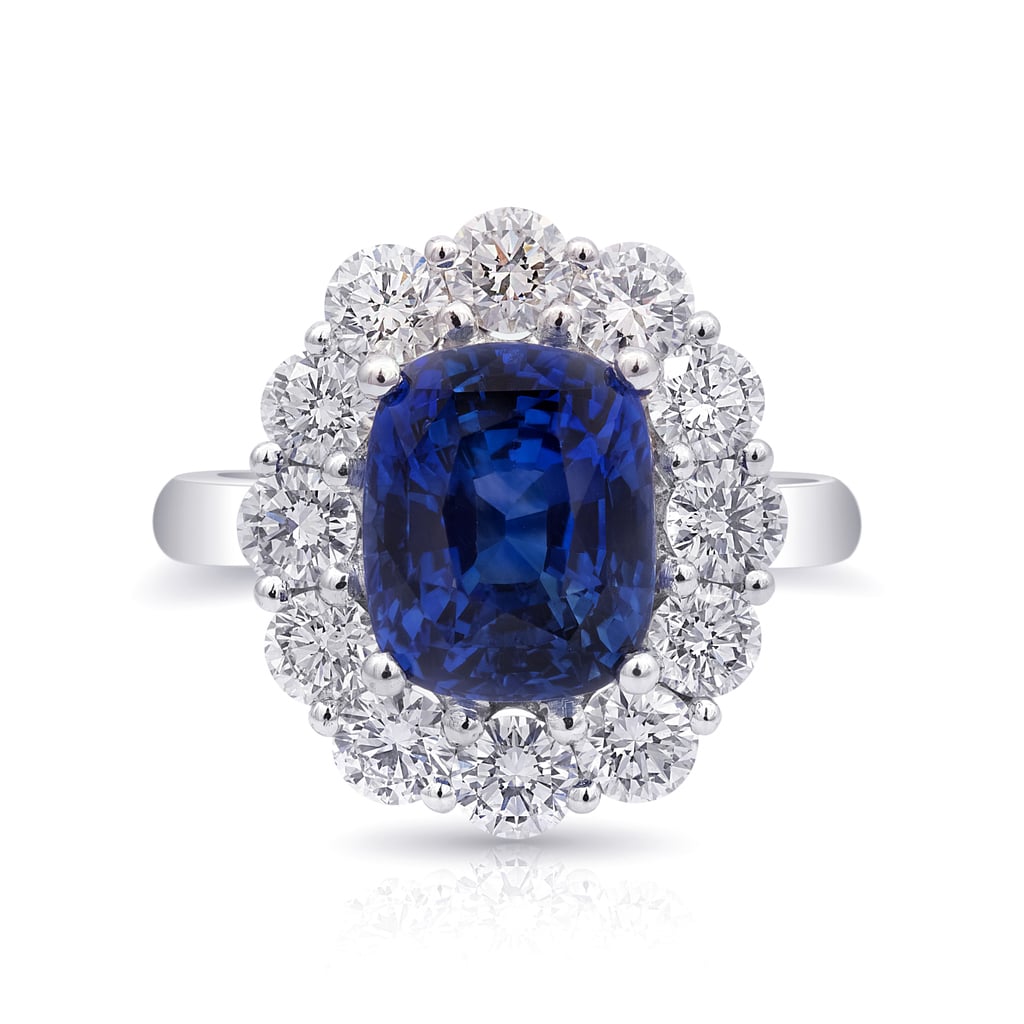
Why an Engagement Ring Appraisal Guarantees Peace of Mind

sell gold jewelry in baltimore

Ring Appraisal for Insurance: Why You Need an Expert Valuation for Accurate Coverage

For comprehensive insurance coverage, the required valuation is the Replacement Value. This represents the estimated retail cost to replace the item with a piece of like kind and quality. Since this valuation sets your premium and determines your compensation, it must be performed by a highly credentialed, independent expert, such as a GIA Graduate Gemologist (GIA GG) who is current with USPAP compliance.

Why the Correct Valuation Standard Matters for Your Policy

When insuring a piece of fine jewelry, the valuation standard you use is a legal and financial decision. We focus on getting this right from the start to ensure your jewelry is correctly protected.

Replacement Value: The Insurance Industry Standard

Replacement Value is the estimated cost to acquire a new item that is of like kind and quality to your appraised piece. This is the figure insurance companies rely on to establish your coverage limits and calculate premiums.

Using an incorrect valuation type—like the Fair Market Value (FMV) used for estates—can result in two major issues: under-insurance (if the FMV is too low for replacement costs) or over-paying premiums (if the FMV is used incorrectly).

The Core Differences in Jewelry Appraisals

Appraisal TypeRequired Value StandardPrimary Use CaseRecommended Update Frequency
InsuranceReplacement Value (Like Kind & Quality)Protecting assets against loss, damage, or theft.Every 2–5 years
Estate / TaxFair Market Value (FMV)Probate, IRS tax filings, and legal asset division.Valid for the Date of Death (DOD) 
LiquidationQuick Sale/Resale ValueImmediate sale or converting assets to cash quickly.Varies by current market conditions

Understanding Appraisal Costs: How Professionals Charge

It’s natural to wonder about the cost of a professional appraisal. A trustworthy appraiser charges based on the complexity and time required for the inspection—never on a percentage of the value, as that creates a direct conflict of interest.

What Factors Influence the Cost of My Ring Appraisal?

Appraisal fees are primarily determined by the amount of expert time needed to inspect, measure, and research your specific item.

  • Complexity of the Ring: Simpler rings, like solitaire designs, typically require less time to evaluate compared to intricate designs that feature multiple gemstones. Each diamond or gemstone requires individual inspection and reporting, which increases the appraisal time and potentially the cost.
  • Intricate Setting Type: Settings like pavé—where numerous small diamonds are set closely together—require specialized time and expertise to examine each stone for condition and quality. A more complex setting style will typically translate to a slightly higher appraisal cost.
  • Appraiser’s Expertise and Location: Highly experienced appraisers often have higher fees due to their specialized credentials (GIA GG, USPAP compliance) and ongoing education.

Crucial Fee Rule: Remember that all qualified, ethical appraisers—especially those who are USPAP Compliant—charge based on time or a flat fee per item, never as a percentage of the final appraised value.

a diamond engagement ring and wedding band

Frequently Asked Questions about Insurance Appraisals

A: Due to the consistent changes in the market value of precious metals and gemstones, we recommend updating your jewelry appraisal every two to five years. Regular updates prevent the risk of being under-insured if replacement costs have increased.   

A: Please bring any available paperwork. This includes original purchase receipts and any laboratory reports, such as a GIA Diamond Grading Report. These documents verify the authenticity and characteristics of the item, allowing the appraiser to focus immediately on current market valuation.

Ensure Proper Insurance Coverage. Schedule Your Ring Appraisal Today!

Written by: Mayflower Estate Buyers

This content has been written and structured according to the ethical and professional standards required by all our in-house experts. This ensures all factual claims align with the certifications held by our GIA GG, CG (AGS), CM (NAJA), RGA (ISG), and 2025 USPAP Compliant staff at Mayflower Estate Buyers in Towson, MD.

How to Value Jewelry Inherited From a Loved One

how to value jewelry inherited from a loved one

How to Value Jewelry Inherited from a Loved One: A Guide to Estate Appraisals

The process for valuing inherited jewelry requires a formal Estate Appraisal conducted by an independent professional jewelry appraiser. This appraisal establishes the Fair Market Value (FMV) of the jewelry as of the Date of Death (DOD), which is the figure legally required by the IRS for tax and probate purposes. To ensure accuracy and legal defensibility, you must choose an expert with verifiable credentials, such as a GIA Graduate Gemologist (GIA GG).

Navigating Inheritance: Starting the Valuation Process with Care

Inheriting jewelry is often a mix of emotion and responsibility. You are holding a precious legacy, but you also face practical decisions regarding legal, tax, or distribution requirements.

Our goal is to guide you through the required valuation steps with clarity and sensitivity, ensuring the process honors the piece’s sentimental value while fulfilling all legal needs.

The Legal Requirement: Why You Must Use Fair Market Value (FMV)
Before any division or sale can happen, the law requires a specific type of appraisal. For all estate purposes—including probate, IRS filings, and equitable division among heirs—the legally mandated standard is the Fair Market Value (FMV).

FMV is defined as: The estimated price the jewelry would sell for on the open market, between a knowledgeable buyer and a willing seller.

It is vital that the appraisal specifies the value as of the Date of Death (DOD). Using an insurance value (Replacement Value) instead of FMV will create tax inconsistencies and can lead to legal complications.

Your Assurance of Trust: Choosing a Qualified Appraiser

The Non-Negotiable Requirement: USPAP Compliance

To ensure your appraisal is objective and legally defensible, your professional appraiser must be current with the Uniform Standards of Professional Appraisal Practice (USPAP). This compliance guarantees the report is unbiased and meets the strict ethical and performance criteria required in court or during tax proceedings.

The appraisers at Mayflower Estate Buyers in Towson, MD are current with the 2025 USPAP Compliant designation, guaranteeing your valuation meets these vital legal thresholds.

Gathering Your Loved One's Legacy: Preparing the Documents

To make your appraisal appointment as smooth as possible, gathering a few key documents beforehand can significantly help the appraiser.

Helpful Documents to Gather for an Estate Appraisal:

  • Date of Death (DOD): The exact date the decedent passed away, as this is the required valuation date for tax purposes.  
  • Prior Laboratory Reports: Any existing GIA, AGS, or other gemological lab grading reports that confirm the stones’ identities.
  • Original Purchase Receipts: These can provide context regarding the jewelry’s provenance and may be helpful for calculating the tax basis.
  • Will or Trust Excerpts: Any relevant sections defining the purpose of the valuation or responsibility for asset distribution.
  • Inventory List: A simple, organized list of the items you wish to have appraised.

Frequently Asked Questions about Inherited Jewelry

Q: Do I owe taxes on inherited jewelry?

A: While the federal estate tax only applies to large estates, the FMV appraisal is essential because it sets the cost basis for the heir. If you decide to sell the jewelry later, that FMV value is used to determine if any capital gains tax is owed. For specific tax advice, always consult a tax professional.  

Q: How can we divide the jewelry fairly among family members?

A: This is called Equitable Distribution. Using the official, legally defensible FMV appraisal ensures that the division of assets is balanced and fair among all heirs, minimizing potential disputes.

Your Complete Guide to Insurance Jewelry Appraisals

sample appraisal report

February 27, 2024

Your Complete Guide to Insurance Jewelry Appraisals

sample appraisal report

Remember that heirloom ring your grandmother gifted you? Or the dazzling diamond necklace you saved up for years to buy? Losing these prized possessions would be heartbreaking, but imagine the added stress of facing inadequate insurance coverage. That’s where insurance jewelry appraisals come in!

This guide will answer all your questions about insurance jewelry appraisals, including:

How to get jewelry appraised for insurance
Where to get jewelry appraised for insurance
Whether jewelry needs to be appraised for insurance
How often should jewelry be appraised for insurance
• Do you need a receipt to insure jewelry?

Why are Insurance Jewelry Appraisals Important?

An insurance jewelry appraisal is a professional assessment of your jewelry’s value, considering factors like weight, materials, quality, and current market value. This documentation is crucial for:

Accurate Insurance Coverage: It ensures your insurance company offers the right coverage at the right price, preventing under-insurance in case of loss, theft, or damage.

Peace of Mind: Knowing your cherished pieces are adequately covered brings immense peace of mind.

A woman shows a diamond ring that she is looking to sell in Baltimore, MD

How to Get a Jewelry Appraisal for Insurance

Find a qualified appraiser

Look for appraisers certified by organizations like the American Gem Society (AGS) or the National Association of Jewelry Appraisers (NAJA).

Gather documentation

Collect any existing documents like receipts, purchase records, or previous appraisals.

Schedule the appraisal

Contact the appraiser and schedule an appointment

Provide the jewelry

Take your jewelry to the appraiser for examination and evaluation.

Receive the appraisal report

The appraiser will provide a detailed report outlining the jewelry’s specifications and fair market value.

a jewelry appraiser inspecting a ring

Where to Get Jewelry Appraisals for Insurance

Reputable Jewelers

Many established and reputable jewelers offer professional appraisal services. They are familiar with various jewelry styles and market trends, making them a good choice for most common jewelry pieces.

Independent Appraisers

Certified independent appraisers specialize in jewelry valuations and often have extensive experience in specific areas like antique jewelry or rare gemstones. They can be a valuable option for unique or high-value pieces

Gemological Laboratories (Selective)

While some gemological labs primarily focus on loose gemstones, certain well-respected labs do offer appraisal services for finished jewelry, particularly for pieces containing high-value gemstones or requiring specialized grading (e.g., fancy colored diamonds). It’s important to research individual labs to confirm if they offer jewelry appraisals and whether they cater to your specific needs.

Here are some additional tips for choosing an appraiser

Look for certifications and Memberships

Seek appraisers that are certified by or are members of reputable organizations like the American Gem Society (AGS), the National Association of Jewelry Appraisers (NAJA), or the Gemological Institute of America (GIA).

Check their experience

Ask about the appraiser’s experience and expertise in handling similar pieces to yours.

Get quotes

Compare quotes from different appraisers before making a decision. Be wary of significantly lower quotes, as they may indicate lower quality service or inaccurate valuations

Does Jewelry Need to Be Appraised for Insurance?

While not always mandatory, most insurance companies require an appraisal for valuable jewelry. It’s crucial to check your specific policy’s requirements. We always recommend having an appraisal completed on any jewelry that’s valued at $500 or more.

How Often Should Jewelry Be Appraised for Insurance?

Jewelry values can fluctuate over time. Most insurance companies recommend getting your jewelry re-appraised every 3-5 years to ensure your coverage reflects its current value.

Do You Need a Receipt to Insure Jewelry?

While a receipt can be helpful, it’s not always required for insurance. An appraisal report acts as the primary documentation for your jewelry’s value. However, receipts can be used to support the appraisal’s findings and expedite the claims process.

By understanding insurance jewelry appraisals and taking the necessary steps, you can ensure your precious possessions are properly protected. Remember, jewelry appraisals are a valuable investment for peace of mind and avoiding unnecessary financial burden in case of unforeseen circumstances.

Ready to entrust your cherished jewelry with highly qualified appraisers? Mayflower Estate Buyers offers competitive pricing and meticulous services to ensure your valuables are accurately valued for insurance purposes. Schedule your appointment today and experience the Mayflower difference!

Safeguard Your Valuables: Schedule Your Jewelry Appraisal Today!